

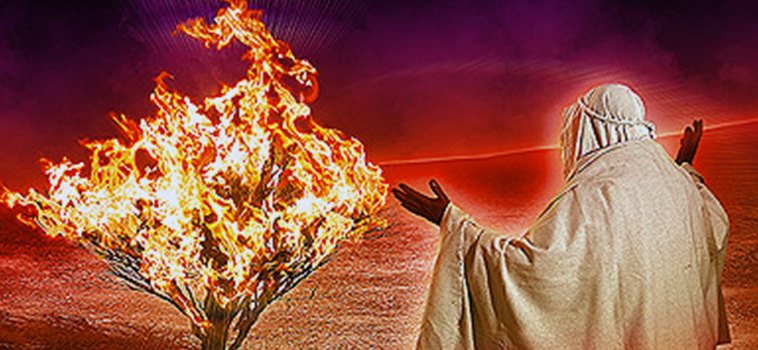
I never put any faith in gods before. I had never met any of them, and I never expected to meet any of them during my lifetime, especially in my latter years. There are so many peculiar deities across all the myriad cultures of the world, and every nation has hundreds of them! Each idol has their own elemental domains, each governs their own meager territories on the earth, each has their own complicated histories and mythologies, and each has their own bickering, petulant followers who love nothing more than to make endless war with each other, by their words or their blades! Who can keep track of them all?
None of those gods ever did anything for me or anyone else, anyway. I always thought it better to act for yourself, to take the sword in your own hand and let the smarmy, lofty, arrogant “divinities” keep their hypocritical judgments to themselves.
Not that I was ever really an atheist. I was raised in the Empire of Kemet, of course, and I knew many of their stately gods by name. I have uttered lengthy, formulaic prayers and conducted elegant ceremonies for the health and prosperity of the Pharaoh and sacrificed many bulls to stoic Amun Ra in grand royal festivals for several hot, sweaty hours at the wind-caressed sandstone temples at Iunu, and I pled with mercurial Nut, Coverer of the Sky and Mother of Mothers, for blessed summer rain beside the sacred nehet trees along the lush, humid, mosquito-infested banks of the Nile in the most bitter of droughts. I have hailed long-bearded, ostentatiously dressed, and decadently bejeweled Akkadian dignitaries and blessed them in the names of their ancient divine patrons, stately Harbe, Sah, and Sihu, and I have cursed the bizarre animal-gods of Kush and their crazed warlord, lion-headed Apedemak, every time their foolish, primitive subjects raised swords against the Empire.
None of my rote, ritualistic prayers to distant Ra ever healed the Pharaoh when he fell ill from the mosquito sickness, though, and snickering Nut ignored my impassioned pleas for the blessed covering of clouds and desperately needed rain during the dead heat of late summer, when the burning sun disk of Aten threatened to wither our crops to dust. The stodgy, silent Akkadian deities never defended their poor countrymen from falling prey to the wicked blades of bloodthirsty raiders during their long treks along the King’s Highway through the Retjenu wastes, and the Kushite animal-gods never delivered their weird, wily, half-naked barbarian patrons from the Empire’s blades and chariots when we put down their ill-conceived insurrections and set their settlements to the torch.
Only the seemingly mystical arts of healers, the strength of well-trained guards, the soothing words of priests and diplomats, and the swords, staves, and arrows of the Pharaoh’s soldiers ever tipped the fickle scales of fate. All the gods ever did was sit uselessly in their well-appointed limestone temples, as still as the brightly painted statues that bore their faces.
I would have given anything to meet a god or goddess that actually cared about their followers back then.
By the time I fled the Black Lands, I had grown weary of praying to any gods altogether. The khopesh blade and the shepherd’s staff — these were my truest companions! These were my saviors throughout the years when I rode swiftly in strong wooden chariots in the name of Pharaoh Aakheperure, and they sustained me when I fled from the Pharaoh’s wrath and sought refuge with the Midyan leagues for my grievous sin against the Empire’s gods.
Everyone must serve someone, it seems, and even the Shasu tribes among the Midyan bowed to a multitude of odd, sometimes sinister-seeming deities unheard of outside the Retjenu — beings like Chemosh, the patron of the Children of Moab, the ubiquitous hunter deity Attar of the Heavens, and the enigmatic fertility god called the Lord of Mount Peor. Some of the Shasu laborers once held in the Empire’s thrall even worshiped graceful old Hathor, beloved of Horus, in her dusty, forgotten temple at the mining camp in the Timna Valley, mocking the ancient ceremonies of their long absentee Imperial overlords as if Hathor would ever deign to lower her head from the heavens and take notice of their fervent, futile rites. I learned the names of several other weird Shasu gods from the tribesmen I traded with for my father-in-law, Sheikh Reuel, though I confess that the Shasu gods all tended to blend together to me. When you’ve seen one long-bearded clay idol, you’ve seen them all, and so many of the deities I saw or heard of in my time with the Midyan leagues were the same god worshipped by different cultures under different names.
Only one Shasu deity ever truly stood out from the others, a divine being none among the Shasu tribes — including old Reuel, who served this silent god as the high priest of his tribe, the Druze — would ever name to me. Whenever I asked them for that deity’s appellation, the tribesmen would fall silent and bow their heads in awestruck, reverent prayer, as if pronouncing this god’s name to me might offend him enough to cause him to smite them where they stood! These tribesmen gave me several vaunted titles and impressive honorifics for this god, but never this god’s name.
What deity commanded such respect that no one dared to utter his very name commonly, even when swearing or blessing their food?
Other nomads the Shasu traded with found this practice just as strange as I did, of course, and remarked on it frequently during shared meals. What god refused to name itself to its own people? Has anyone ever heard of such humility from a divinity? Surely the most essential aspect of the patron-servant relationship is for the subjects to know their lord’s identity! How else can they strike awe or terror into the hearts of unbelievers when they speak of him? Even the least of mortal rulers makes certain their most distant subjects know who levies their tributes and enforces their laws!
As strange as this practice was, though this reminded me of the tales of a similarly unnamed God I’d heard about from my people — my true people — in my youth. Much like the Shasu, my people were the children of desert nomads from the Retjenu who assimilated into the Empire during the days of the Hyksos lords and were enslaved by the high-born Lords of Thebes long before my adoption by Maatkare. My forbears often referred to their silent divine overseer as simply “the Lord,” “God Almighty,” “the Highest God,” or “the God of Many Powers,” among many other lofty-sounding and magnificent epithets, though few of them would speak of their god when their Theban slave-masters were within earshot.
Even then, when I was reared in the darkest, dankest slave pens of the Empire by my true mother, in the backwater plains of the eastern gates at Goshen, none among my tribe dared whisper to me this god’s name. At times, in my hot frustration, I thought my people’s elders had likely forgotten their god’s name during their many decades in servitude.
It is one thing to hear sublime stories of an almighty, all-encompassing deity, alone among all the pantheons of the nations, a celestial overlord that cares about his people and forms personal relationships with them, even as they suffer under the brutal lashes of alien taskmasters and are buried and forgotten in foreign sands where no monuments bore their names. I am certain many lonely, battered slaves believed in benevolent gods that watched over them, even if they did little to aid them. They would have to, would they not? How else could one endure the torments and indignities of slavery without some hope that someone above was watching over them?
It is an entirely different matter to meet such a god… especially when one did not expect to encounter sacred divinity in the quiet, dusty, pastoral mountains far from any elegant hand-hewn stone temples or the vast capital cities of the great empires of man.
Even more unsettling, though, is to hear his sacred name for the first time, uttered by the roaring voice of thunder in the fearsome cracking of the heavens…
Weary of the clamor and clatter of the younger Midyan shepherds, I arose early that morning, before the sun’s arrows had pierced the mountain peaks, and taken old Reuel’s bleating flocks to a distant, lonely promontory called Chorev by local Shasu tribes on the furthest fringes of the Midyan league’s grazing lands. On any given day, I would never guide the flocks so far beyond Reuel’s gaze without good reason, but I had to take the sheep he entrusted to me far enough away from the other bickering shepherds’ flocks, or Reuel’s gentle beasts might not find enough grass to fill their ever-empty stomachs.
Foreboding, rain-swelled clouds shrouded the summit of the moody, imposing stone sentinel like a vast satin curtain cast over the heavens from Chorev’s peak. The bright solar disk above shone dully through the cloud cover, a distant divine eye watching over the deeds of the petty, silly animals and even sillier mortals swarming the Earth below like insignificant insects, its burning gaze veiled by the dark clouds overhead lest we mortals dare observe it with our naked eyes and be blinded and driven mad for our casual folly.
I should have turned back when I saw the storm clouds overhead, but I was already far too close to Mount Chorev to return to the safety of the Sheik’s sturdy tents before heavy rain battered the stones beneath my calloused, wrinkled, weary feet and made the mountain passes too slippery and treacherous to traverse in the simple leather sandals I wore. Better to camp near the mountain and feed the flocks first. I resolved to keep close to the mountain clefts for shelter and make quick work of the task before the heaviest rain fell.
That was how I met Reuel’s god: while huddling close to the cracks and bends in the mountain’s impassive stone face like a frightened child clinging to his mother’s skirt, peering about warily for the first telltale sign of rainfall while his silly sheep lazed about the surrounding land without caution or care.
I will never forget the subtle twinge of curiosity I felt when I first smelled the telltale menthol scent that wafted through the air and turned to spot the blazing beithran shrub in a narrow cleft cavern carved into the mountain rock. The firelight reflected off the ancient, wind-smoothed rock walls in bouncing tongues, brightening the cleft’s interior tenfold, making it glow like a welcoming hearth, contrasting brightly against the dull, stormy gloom surrounding me.
I thought lightning must have caught the shrub alight, though I did not recall hearing thunder yet on that overcast day, and I saw no smoke or sudden flash of light, nor did I smell the familiar scent of burning ozone that typically accompanies a lightning strike.
Nothing else around me was ablaze. Only the fiery shrub cast its eerie glimmering, dancing light bright enough to catch the eye and beguile the heart like a Shasu serpent charmer. The closer I examined this peculiar illumination, I noticed that this curious burning shrub did not appear to be consumed by the wandering tongues of flame creeping calmly and quietly over its leaves. None of its twigs were blackened or transformed into burning embers, as one would expect of any wood burned in a bonfire. It almost looked like the flames were caressing the bush’s branches, like the careful hands of a passionate artisan molding the clay at his workbench…
If I had known what would have come from my decision to momentarily turn away from Reuel’s flock and investigate this peculiar sight, would I still have had my awe-inspiring encounter with the Outer World? Would I have become the man that bitter circumstance and fiery wonders would transform me into mere days later, or would I have remained a lowly desert nomad tending sheep until my weary bones were laid to their final rest far from the unmarked slave-pen tombs of my fathers?
I remember the sheer awe I felt when I slipped inside the cleft in the mountain rock and saw the burning shrubbery up close. Only my shuffling, stumbling feet made any noise, but those soft, cautious footfalls reverberated through the rock cleft like rolling thunder over the rolling Retjenu planes. The flames I saw wisped and coiled around the thin branches of the tiny little beithran bush, and though I could smell the scent of menthol very strongly as if the bush was being burned for incense at some lonely Shasu shrine, I could see for certain that the bush was not being devoured by the writhing flames that crept and crawled over it like slow, careful insects.
These tiny, white-hot tongues of fire did not appear to require the fuel the bush’s slender twigs would have reluctantly provided, had the flames eaten up its branches like any other fire. They moved and slithered over the shrub’s naked branches at a steady, constant rate, stroking the branches like a loving gardener tending his favorite hedge plant, and the fire’s luminance neither dimmed nor increased, yet its diminutive light brightened the rock cleft tremendously.
In my childhood, I had once heard an elderly slave reciting a story from my true people’s history during a time of starvation and poverty, when his Theban overseers had forgotten to feed their charges. “God Himself will provide the lamb,” the slave had said, praying for bread from the heavens.
At the time, I had briefly marveled at the thought of a deity humble enough, immensely wealthy enough, and self-sacrificing enough to bring the sacred offering Himself. Most of the gods I had learned about over the years, from the Black Lands to the mountains of the Midyan leagues, were shallow, self-serving otherworldly monsters who hoarded their divine treasures like stingy immortal misers and demanded even the poorest of their adherents to yield their meager hard-earned coin to their well-appointed priests’ overflowing coffers. Even the gods, it seemed, had limited resources at their disposals and could only spare so much.
Yet, here before me in the lonely wilderness was an intimate, unseen temple that this mystery God had carved from the rock Himself, and He had even brought the fuel for His own sweet incense.
Unfortunately, I did not have the presence of mind to realize this at the time. I was a thoughtless old fool with a lowly shepherd’s staff bumbling about a rare and radiant miracle like a clumsy child who had fallen headlong into a long-forgotten desert king’s ancient hidden treasure hoard by random chance.
For several moments, I stood silently near the slim entrance of the cleft in the rock and breathed very slowly and deliberately as I inspected this peculiar phenomenon like one of the Empire’s alchemists studying an unexpected chemical reaction when preparing a well-known potion. The fire before me felt and appeared different from normal fire somehow, though the air immediately surrounding it rippled with heat, as happens with any typical flame. No blinding smoke emitted from this fire, either, nor did I sweat from the warmth of this blaze. The temperature of this natural, wind-carved shrine was quite comfortable, even to my chilly bones, and my body felt quite at home there. My eyes remained undimmed by the radiance before me, and my lungs were undamaged by any choking, smoldering vegetation smog.
The light cascading from the fire surrounding the small bush flooded and filled the cleft, washing over me in calming waves like the soothing shallows on the shores of the cool Nile waters on a hot summer evening. Basking in this comforting warmth between the bush and the cleft entrance, I instinctively clutched my dark crimson robes — a wedding anniversary present from my beautiful and faithful wife Tzipporah — closer to my raggedly bones, lest my favorite robes catch alight.
I should have felt sweltering, oppressive heat, but I could feel only the cool caress of the breeze from the wind outside the cleft wafting in and gently massaging my aching back muscles while the gentle, bolstering warmth from the fire before me radiated over my face and chest like my mother’s hand at my cheek.
I closed my eyes for a few precious breaths and savored the contrast before I started moving cautiously through the area surrounding the burning beithran, examining the bush and the rock cleft surrounding it as carefully as I could. My trusty crooked staff clicked softly on the dusty cleft floor in a soft, steady rhythm as I slowly shuffled about, analyzing every angle and every tiny branch of the bush that would not burn with a critical eye.
My curiosity finally overcoming me, I gripped my staff with both hands, steeled myself with a couple of deep breaths, braced myself against the cleft wall nearby, and slowly extended my crooked staff head toward the bush. Would the flames catch around my staff and crawl up the wooden shaft toward my wrinkled, sun-kissed hands, or would they dissipate as soon as my staff neared the little shrub? Would my staff be as unaffected as the bush’s branches, or would the wood at the crook of my staff begin to blacken and smolder as the writhing, white-hot tongues of fire consumed it?
The crook of my staff inched closer to the bush, and I struggled to hold it steady despite the fear that brought sweat to my age-creased brow and made my arms tremble like fragile leaves shaken by a rushing, mighty wind…
“Moshe,” a Voice whispered softly.
The quiet utterance sounded like it had originated from somewhere behind me and off to the right, toward the entrance to the mountain cleft.
I gasped with a sudden start, dropping my shepherd’s staff with a sharp, rattling din and disturbing the dust at my feet as the sturdy wooden cane clattered around in the small rock cleft. After drinking in a few deep, slow breaths to quiet my rattling heartbeat, I furrowed my wooly brow as I looked around me nervously.
I could see every pale gray wall in the ancient stone cleft’s cozy, wind-carved interior quite clearly, and I was all alone.
Then why did I feel like I was not alone? Why did my skin prickle and the hairs on my arms stand on end, as they did when some unknown person with mysterious intent stood close behind me?
The Voice I that had murmured my name like a gentle breeze sounded like it had come from Someone Else… Someone not mortal. I knew what the voice of my thoughts sounded like, and I knew what human voices sounded like, and the Voice I heard in the cleft sounded vastly different from the voice of my thoughts or the voices of others.
I peeked around rapidly for many tense moments like a frightened desert rat searching for the starving screech owl circling overhead. After several seconds of stressed silence that stretched out like angst-soaked hours, I eventually sighed in relief, shrugged the incident off, picked up my staff again, and aimed the crook toward the bush again…
“MOSHE!” the Voice boomed, much louder this time, the thunderous din reverberating through the small space within the cleft as it also echoed through the dark spaces within my mind.
I dropped my staff in shock again and quickly scrambled away from the bush as if the flames had suddenly burned me. My back hit the rocky wall of the cleft hard, stopping me in my tracks with a painful jolt that momentarily robbed me of breath. Fearful for my life, I raised my gnarled hands in surrender and slowly inched sideways toward the entrance until I felt I had reached a safe distance from the beithran bush.
Though my feet still aimed themselves toward the cleft entrance in fear, I could not yet bear to leave, as my curiosity had not yet been sated. What was the Source of this echoing Voice? Was this mysterious vocalization coming from inside my elderly, sun-addled mind? Was I hallucinating from the desert heat that preceded the storm clouds outside, or was this Voice some emanation from the Outer World beyond the Firmament over the earth? What unseen Source produced this wits-shattering sound?
I heard my name called a third time by the mysterious Voice. This time, the Voice sounded like it had come from the air around the bush itself!
One does not force a mysterious Spirit to announce itself to you more than thrice by ignoring it! Unfortunate things were known to happen to such unwary travelers, if the legends I had heard from the Shasu tradesmen at Reuel’s camp were true.
“Here I am,” I answered awkwardly, bowing in respect out of habit, as I would when meeting the Sheikh of another Midyan tribe. I winced inwardly, feeling very foolish at first for talking to and bowing to no one at all.
Having studied under various priests and cult adherents from the Empire during my days in Pharoah’s court and from various tribal mystics over the past several decades, though, I knew that all spirits — even the souls dwelling within the bodies of mortal men and women — were invisible by nature, veiled by the visible world until they chose to manifest themselves in whatever forms they pleased. Though I did not see Who uttered the Voice, I did see the well-lit bush that did not burn, and I knew that Someone Else was present in that rock cleft that overcast afternoon.
I could feel Their overwhelming presence in my weary old bones.
Still, I heard no response yet, so I glanced around to make certain I was still the only one there in the rock cleft.
My knees knocking with fear, I slowly knelt and reached for my fallen staff again…
“Come no closer, Moshe,” the Voice said, echoing softly through the cleft.
This time, as I trained my keen ears toward the sound, the hairs on my ears tingling in anticipation, I could tell the Voice was coming from the shrub!
I stopped where I stood, quickly removed my dusty, moth-bitten turban, and bowed low in deference to the Spirit that had manifested here in this small cavern shrine, keeping my hands raised and leaving my staff where it lay on the cleft floor.
“Take off your sandals, Moshe,” the echoing, ethereal Voice admonished me quietly.
Though I had never heard this Voice before and it did not sound like any mortal vocalization I had known, the Voice did not sound alien to me. It resonated within me as familiar as the voice I hear in my head when I think, and it sounded as natural as speaking to another shepherd in the room, though the Voice echoed through the cleft in an otherworldly manner when it spoke to me. I certainly felt another presence there with me, almost oppressive in its intensity, like being submersed in deep water or engulfed in heavy, humid air. My skin prickled as the all-seeing eye of an unseen sovereign picked apart my very being like the studious gaze of a master artificer inspecting an object he had crafted for defects.
“You are standing on holy ground,” the Voice added softly a moment later, sounding as soft as gentle rain pattering lightly against a nomad’s sheep hide tent.
No malice dripped from these words, merely an acknowledgment of a previously unknown truth, like a wise father telling his child to be silent out of respect when standing in a library of ancient scrolls.
I wasted no time complying. I all but hopped out of my aged leather sandals in panicked obedience, plucked them up off the ground, then threw them toward the cleft entrance as if they were on fire. I then slowly knelt before the bush in awed silence with my face toward the ground — the customary position for prayer to the Divine — and waited patiently for the Voice to speak again.
“I am the God your forefathers knew,” the Voice whispered to me, its fiery ripples swimming through the surrounding air and echoing over my sun-kissed, goosebump-covered flesh as it entered my ears.
I could not see the flames writhing over the beithran bush from where I knelt, but I could hear it crackling still and I felt the heat wafting over my back intensify when the Source of the Voice identified itself.
“I am the God of your ancestors Avraham, Yitzhak, and Ya’akov.”
I had heard these names before from my true people among the slave masses in the Empire, when I was briefly reared by my true mother, sweet and gentle Yocheved, before she gave me over to the loving embrace of the elegant Princess Maatkare. When my true father, kindly Amram, whispered his sacred stories about their God around the hearth in their humble, rickety mud-brick slave quarters beyond the boundaries of the glorious throne city of Thebes, my older siblings Aharon and Miryam huddled together at his feet and hanging on his every word, he would bow his head in humble reverence to the silent, patient God that watched over them, even in the slave pens of the Black Lands.
“None may look upon the face of our God or utter His name impudently and live,” Amram would utter quietly in awe as he held me in his lap and stroked my then-dark brown, curly hair, taking great care not to invoke this God’s name impudently, lest we all be destroyed right there in our humble habitation. Amram held my face to his chest, as if shielding my eyes from seeing this God as we sat with our family near the soothing warmth of the hearth.
Remembering those brief, magical times in the midst of tribulation, I closed my eyes tightly, then lowered my head to the ground until my forehead kissed the floor in modest supplication toward this vast and awesome Being I did not know, but Who obviously knew me very well. I swiftly covered my face with the hood of my cloak and wrapped my arms around my head, lest I inadvertently behold the face of this fearsome God and perish for my folly.
My whole body trembled like the surface of a lake disturbed by heavy rains as I knelt on the floor of the cleft, and I bit my tongue to maintain my silence as I waited for this God to speak further.
“I have witnessed the suffering of My people in Mizrayim, Moshe,” He whispered softly, as if He could see my anxiety. “I have heard their cry for release from bondage at the hands of their slave-masters. I know their pain—”
“Wait, how?” I asked as I looked up toward the flame, my confusion and my easily combustible temper — which always seemed to get the better of me — momentarily overcoming my fear and quiet, trembling awe.
“How do You know their pain? How did You see their trouble, and how did You hear their anguish? Even I was sheltered from that torment as a child! I did not truly understand what my people suffered until I was already a man! If You see so much and know the anguish of my people, why have You done nothing for generations?”
Visions of the cruel, daily, casual indignities visited upon my true people suddenly filled my thoughts in that moment like bitter wraiths from the past come to torture my present. I could hear the starving scourges in the hands of the slave-masters biting at the scarred, broken backs of the chattel slaves as they were forced to mold mud-bricks quickly, uniformly, and efficiently by their burly, stone-faced, dour taskmasters, and I winced — just as I winced inwardly when I twisted the neck of the fearful, furious Imperial slave-master desperate to escape my clutches that hot, fateful night in the dusty back alley of the slaves’ district on the outskirts of the city of Thebes — as if I could feel the whips and barbs biting deep into my own back. I could smell the awful, pungent, overpowering mixture of blood, feces, sweat, and urine as the slaves were forced to stomp straw into the mud of the Black Lands without food, rest, or ablutions.
I could hear no weeping, wailing, or gnashing of teeth from these slaves. When their masters brutally corralled them back to their shabby makeshift quarters at the end of their seemingly endless work shifts, I heard only the embittered silence of broken souls whose collective resistance had been beaten out of them over the course of several lifetimes in forced servitude to hateful, xenophobic overlords.
Though hot tears streamed down my tanned, weathered face in rivers of unrequited grief, and though my frightened thoughts screamed at me to be silent and still before this unseen Lord, I continued my bitter tirade, as old Reuel, Tzipporah, and so many others over the long years had seen me do before whenever I lost my temper.
“I remember my days in the Empire well! I know I never did enough to still their masters’ hands or to end their cruelties, but I don’t remember seeing You among the slaves! Were You there watching Your people suffer and die? Were You there, looking over my shoulder, when I murdered that stupid slave-master for his many cruelties? Did You watch in approval while I strangled the breath from his body? Were you proud of me in that moment for taking vengeance for Your people, or were you dismayed when I fled from the Empire like a frightened hare scrambling for safety from falcons? Are You still there among my people, or did you follow me here just to harangue me for my many failures? How do You know my people’s pain? Where were You when this pain was given to them?”
I bowed my head low to the ground again and cried bitterly, more ashamed to face the Voice than I was before as my tears splashed into the dry, dusty sands beneath me like fat summer rain drops lost to the thirsty sands of the deep desert. My anger had flared, white-hot and blinding like the sun at Noon, then passed like a candle snuffed out before becoming a bonfire, leaving me with only the ashes of my shame and regrets.
Truth be told, I was waiting for this unseen God to smite me on the spot. I certainly felt I deserved it then.
“Trust me, Moshe… I know their pain,” the Voice said quietly. Tiny flames surrounded me, caressing my face with endless patience and affection as my true father’s hands once did. The flames did not burn me, though they gently evaporated the tears from my skin as if I had never shed them.
“I dwell within the hearts and hopes of My people,” the Voice explained softly, “and I have felt their pain. I wept with them as they burned straw and mud into bricks and built the Pharaoh’s treasure cities with bloodied, bruised hands, hoarding the treasures of others that they would never handle for themselves as payment for their endless labor. I strengthened them when they knew the clawing embrace of exhaustion, I healed them when they felt the sting of their master’s whips, and I comforted their broken hearts with My spirit when they mourned their fallen sons — your brothers — lost to the Nile soon after you were born.”
As the Voice spoke, I thought of my kinsmen slain decades ago by the soldiers of the Empire, all infants who had not yet known the weary lives of slaves, drowned in the Nile at the command of hard-nosed Pharaoh Menkheperre while I was miraculously saved from the bloodied fingers of the Nile god Hapi by the careful hands of the sweet, beautiful, benevolent angel Maatkare.
Fresh, hot tears stung my wrinkled cheeks as the Voice continued to speak, and I bowed my head low once more in shame and reverence.
“Do not be dismayed, Moshe. I have come to deliver My people from oppression at the hands of the Mizrayim,” the Voice said quietly, “and I will bring them out of the Black Lands to a wide and spacious paradise in the desert whose rivers flow with the milk of goats and the sweetest honey — lands now in the cruel hands of the violent children of the Retjenu: the Hattasu, the Mardu, the Perizzi, the Hivvim, and the Yabusi tribes. I will sweep them from those lands and send them all away, and I will return My people — your people — to this land that My servant Avraham once possessed long ago.”
“How, though, Lord?” I asked incredulously, looking up at the bush. “The Empire is so vast and ancient! It has stood for almost two millennia and weathered draught, famine, disease, and invasion! Its soldiers, their armor, and their weapons are many, and their chariots are sturdier and swifter than the chariots of any fielded by the warriors of its neighboring kingdoms! How will You free my people from them? What armies can You send to batter justice and reparations from their cruel hands?”
“I need no weapons or armies of men, Moshe, for My hosts are unseen and my weapons are the forces of the Earth itself. I need only empower one mortal representative whom I will send to wrest My people from the claws of the Pharaoh,” the Voice said softly.
“One representative,” I chuckled with a bitter smile, shaking my head in disbelief. “How in the world could one lone man make a difference against the vast might of the Empire of Kemet? Pharaoh has scores of priests and representatives of his own! He has fleets of armored chariots, and their horses are far too numerous, his soldiers too well-trained! The Empire’s armies have bullied the Kushites and neighboring Shasu tribes as far as the Euphrates into obeisance for centuries and made them into copper miners all too willing to break their backs for foreign gods! Their weapons are craftier than the blades of other warriors! Their tactics are cunning, honed over almost two millennia of warfare! They hold even the mighty Assurayu, the Hattasu, and the Akkadians at bay and have expanded the Pharaoh’s borders greatly and filled his treasure stores with tithes and taxes uncountable! The fear of the Pharaoh’s power has granted him allies and vassals among the Neshians, the Naharin, and the Chaldeans! What could one lone man possibly do to free a mass of sorry, wretched, nameless captives too broken from generations of slavery from such a supreme fighting force?”
“My chosen representative is you, Moshe,” the Voice answered, as if He knew my thoughts. “You know the Empire well, and they know you. I will send you to bring the children of Yisra’el out of Mizrayim.”
“Me?” I screeched like a startled mau cat whose tail had been stepped on, my eyes as wide as the sun far above. “Who am I, Lord? I’m just a shepherd on the raggedy back end of the wilderness, a refugee serving the Midyan leagues! I’m eighty years old this Spring! It takes me fifteen minutes to strap on my sandals in the morning some days! My wife and sons have to remind me to bring rations with me sometimes when I take the sheep to pasture or I’d be fasting on those trips! Would I even live through the journey back to the Black Lands to do the deed?” I laughed in utter shock.
“Worse than that,” I added somberly, “I am a murderer and a lawless renegade to the Empire, a betrayer of the Pharaoh! I’ve been hiding from the Pharaoh’s forces for four decades now. I fled the Empire after I broke the neck of one of their wretched slave-masters in the middle of the night to save a few ungrateful bickering brick makers from among my people… And all it cost me was all I had! My entire life, gone in moments!” I shut my eyes in bitter silence. “I might have been able to free them from within the Empire’s government back then, as one of the Pharaoh’s functionaries… Maybe I could have convinced the new Pharaoh to ally with my people, as the Hyksos pharaohs had done during the days of my forefathers, or to let them go and take replacement slaves from the Kushites or the Hattasu. How can I go to the Pharaoh and bring Yisra’el out of the Black Lands now, as the man I am today? The maryannu infantrymen would bring me to the Pharaoh in chains if I got anywhere near their encampments at the Retjenu copper mines, if they didn’t kill me themselves and raid Reuel’s tribes for sheltering me, or laugh me out of their encampment due to my age! I cannot do anything to stop whole armadas of armed, well-trained soldiers! Am I an army unto myself?”
“You need no army of men, Moshe,” the Voice replied softly, “for I will go with you. I am already there, as I am here with you now. When you bring your people out of Mizrayim, you will bring your people here to Chorev, to worship Me at this mountain, and I will guide you all here with smoke and fire.”
“You will go with me?” I asked incredulously, my head dizzy with conflicting questions. Who was this God? Why did He not act before, back when I lived among the Thebans in the Black Lands? If He could do something then, why did He do nothing? What was He even capable of doing? Why was He sending me? What could I — a weak, wizened, elderly man — do against the Pharaoh, even empowered by this mystery Deity?
Who was this God?
“Who are You, even?” I finally blurted out, unleashing the question that had bothered me for many years as I scratched my head in confusion. “What is Your name? Nobody seems to know it! How should I address You? Suppose I go to the children of Yisra’el and tell them, ‘The God of your forefathers has sent me to you,’ they will ask me, ‘What is His name, then?’ What am I supposed to tell them?”
As soon as the words had left my mouth, my impertinence evaporated yet again, and my good sense returned to me. I began trembling in fear as I bowed before the bush again, for I felt like I had stepped into sheep’s dung by giving voice to my impudent questions.
After a few moments, though, I realized that I was not the one trembling. The air around me and the ground beneath me both shook as I awaited the Voice’s response, as if a devastating earthquake was building its strength. The heat ripples surrounding the burning beithran intensified tremendously, and I could hear the fearful bleating of the sheep outside. Even they knew something immense was about to occur.
Strangely, the tiny shrub held its position. The bush alone did not appear to shake, seemingly defying reality itself.
Finally, the Voice replied, and peals of thunder tore through the heavens outside as He spoke. “EHYEH ASHER EHYEH: I Will Be Who I Will Be. Tell the children of Yisra’el, ‘EHYEH ASHER EHYEH, the God of your forefathers — the God of Avraham, Yitzhak, and Ya’akov — has sent me to you.’ This is My Name forever, the Name you shall call Me from generation to generation.”
As the Voice spoke, the trembling stopped and the clouds above finally burst open and released the heavy rain they had held back since I arrived at Mount Chorev, drenching the land with their downpours. I could hear the raindrops hammering at the sides of the mountain around me, and my poor sheep outside bleated in alarm as their wooly pelts were soaked.
“Go and assemble the elders of Yisra’el,” the Voice continued, “and tell them EHYEH ASHER EHYEH, the God of your forefathers Avraham, Yitzhak, and Ya’akov, has appeared to you and told you, ‘I have watched over you and I have seen what has been done to you in Mizrayim. I promised to lift you up out of your misery in Mizrayim and to bring you into the Retjenu — the lands occupied by Hattasu, the Mardu, the Perizzi, the Hivvim, and the Yabusi — a land flowing with milk and honey.’”
“They won’t listen to me,” I muttered, shaking my head. “I was a slave boy raised by their enemies and treated like one of Pharaoh’s abutiu dogs. They, too, saw me as a betrayer, a turncoat in Theban clothing mimicking their ‘betters.’ My own people hate me… and they don’t even know who You are.”
“The elders of Yisra’el do know Me, Moshe, and they will listen to you,” the Voice told me. “Then you and the elders will parlay with the Pharaoh of Mizrayim and tell him, ‘Adonai our God has met with us and demanded we make a three-day journey into the wilderness to offer sacrifices unto Him.’”
“He won’t listen!” I insisted. “He’s Pharaoh! The crazy fool thinks he is a god, as did his crazy fathers before him!”
“I know, Moshe,” the Voice countered. “The Pharaoh of Mizrayim is stubborn, and he will not let your people go… not until a mighty Hand compels him to let them go.”
“Compels him?” I asked.
In that moment, bloody, frightening images of all the wonders and horrors that would soon be visited upon the Thebans of the Black Lands — the dazzling alabaster statues of the ancient gods toppling on their pedestals, the sacred animals of the Empire rising against them and overwhelming them, the Nile itself reddening like blood and poisoning them, even Death itself turning against them — flooded my mind and assaulted my senses.
In my vision, the skies of Egypt were overcast and burning red, the once fertile soil of the Nile blasted hot by the blackening sun above and as dry and infertile as the deepest desert dunes. I saw plump and obese Hapi, the typically jolly god of the Nile, kneeling and weeping bitterly beside the dark waters of the Great River, his water-blue skin soaked in blood as the river bloomed crimson. Countless frogs, lice, flies, and locusts swarmed over the river’s banks, too numerous for the eyes to register, eating up everything green until dust and ash were all that remained after they swept across the land. Cattle and other livestock suddenly fell dead where they stood in their grazing fields, their flesh still breaking out and bursting open in bleeding, pus-filled boils as the statues of the frog goddess Heqet, the earth god Geb, the scarab god Khepri, the livestock gods Hathor and Apis, and stately green Osiris fell from their mounts at their limestone temples and crumbled into shapeless broken stones. Beautiful Nut, Coverer of the Sky, lay bleeding and dying on the Nile’s shore, her regal silk robes in tatters as burning hail showered down upon the Black Lands in heavy, torrential rain, setting every structure it touched ablaze and giving new meaning to the name ‘Black Lands.’ The Thebans fled here and there in mindless terror, their white silk robes burning as they fell dead in scores, but none could save them as a slithering, slinking shadow so dark that it swallowed light and so thick it could be felt swiftly crept over the Empire’s lands…
These visions overwhelmed me and I laid on the ground beside my shepherd’s staff as if I were dead, hiding my face in the dust in sheer terror, weeping like a frightened child. My eyes widened and my mouth fell open in shock as fear gripped my heart in an ice-cold vice.
“You, Lord… You are capable of such fearsome horrors?” I asked in a hushed tone, my eyes as wide as Pharaoh’s banquet plates.
“Long ago, I promised your forefather Avraham that I would bless those who blessed you… and curse those who cursed you,” the Voice decreed. “That recompense is now due. I will stretch out My hand and strike Mizrayim with all the wonders I will perform before them.”
As I shook in terror, shaking my head to dispel the horrors I had witnessed in my mind, the Voice added, “After all those terrors, after pain and torments unknown before in the chronicles of Mizrayim, the Pharaoh will let your people go.”
When I first met this God in this tiny cavern, I did not fully understand the potency — the potential — of this Deity. It was merely a Voice in a cave with a tiny burning shrub, and not a very big cave at that! A mysterious voice could be something entirely in my own mind, a delusion caused by hunger and heat. A strange flame that burned over and around a small bush without consuming it could have been an illusion, an unseen magician’s trick, or a natural phenomenon that my eyes had misinterpreted as some minor miracle. Even the Voice’s statements about freeing my true people could have been some sublimated desire within my heart for vengeance against the Empire I once served that had manifested itself as an imagined meeting with a benevolent and empathetic Higher Power.
I could not say for certain whether I had imagined the incident out of heat-born illness, madness, or delusion, been induced into seeing these events by some hidden trickster, or whether I had actually met an otherworldly Being. In all honesty, the uncertainty was driving me madder than heat stroke alone could ever have accomplished.
After having heard the heavens crack open at the sound of this God’s name and having seen the fearsome visions of His vengeance, however, I finally and fearfully understood the power of this God and the long plan He had been plotting against the children of Thebes.
The very forces of nature were His obedient minions, and the kings of the Earth His toys! The mightiest and most majestic of men were mere pieces in a senet game to Him, and I felt so very small in that moment, a simple message boy cowering at the knees of powerful and invisible otherworldly soldiers in a vast and timeless armada that stretched beyond the boundaries of the universe.
Who, then, were my people, mere descendants of desert nomads long enslaved by the hosts that once welcomed them, that this God cared so much for them? He planned to debase the most powerful empire in the known world for forcing the sons and daughters of foreign shepherds into servitude, a sin that happened so long ago that it was never recorded in any hieroglyphs or commemorated on any palace wall in the Empire… and this God would humble the Empire in such horrifying ways that the Thebans would never, ever recover from them. He would shame all their gods, break all their idols, lay waste to their fertile lands, disgrace their powerful Pharaoh before all the other kings of the Earth… and far, far worse than that.
It is a truly fearful and terrible thing to fall into the hands of this living God! I knew that fearful and awesome day that this was the God I had longed to meet — a deity who cared for His people so much that He would shame and devastate the mightiest empire on Earth for their sakes — since I first learned what gods were supposed to be decades before at the feet of the priests of Amun Ra in the jeweled throne city of Thebes.
Two months later, I rode on camelback toward the decadent gates of the Black Lands, my commission set in my mind like letter strokes struck deep into flint stone and my thoughts swarming with terrible purpose as the bags of rations and other provisions jostled at my camel’s sides.
My beautiful, white-haired wife Tzipporah, the proud daughter of a Druze priest and chieftain decked out in the humble robes of a Midyan noblewoman, rode at my left side carrying our youngest child Eliezer in her arms. My eldest son Gershom rode on my right, young, strong, and dutiful, guiding his camel with ease. He had recovered from his recent circumcision swiftly, and the success of our mission was a foregone conclusion in his mind. Riding ahead of us, my jittery older brother Aharon — told to flee from Thebes and meet with me at Mount Chorev in a dream given to him by God — guided us back toward the borderlands of Goshen, his wary eyes scanning the horizon for signs of the Pharaoh’s maryannu infantrymen.
The light of the burning beithran bush glimmered in my eyes as we rode toward the Empire of Kemet. I carried its warmth and presence away from Mount Chorev, and the Voice whispered its instructions and encouragements to me as we traveled. I left my sword with Sheikh Reuel back in Midyan. My shepherd’s staff was all I would need.

